

Dinner at 5 or 6pm? Trialling flexible energy use with equiwatt
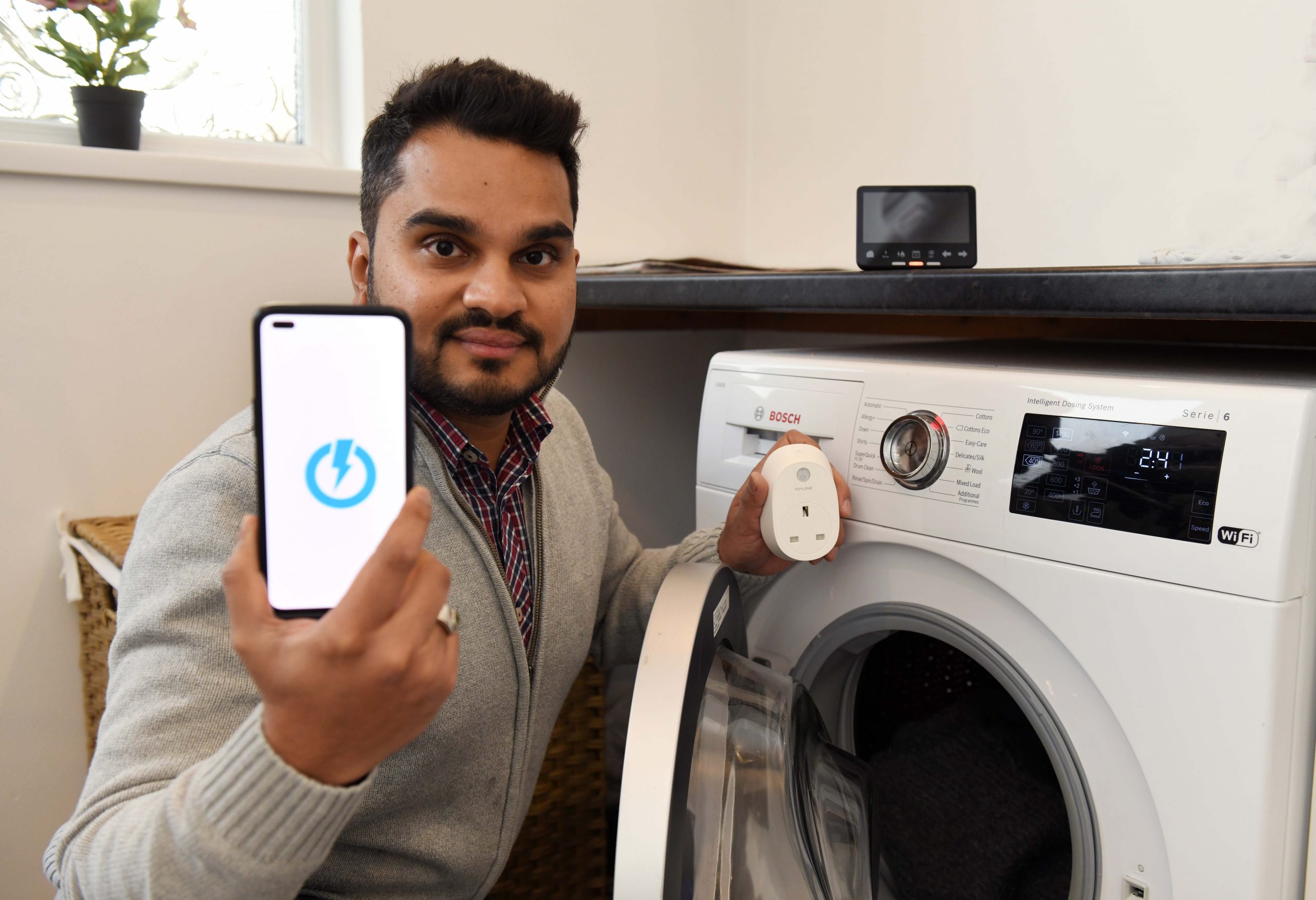
In 2024, we ran a trial of equiwatt: an app designed to help people use energy flexibly and earn rewards. 50 Labbers took part by connecting devices like smart plugs, heat pumps and electric vehicles to the app, which automatically reduced their energy use during peak times. The findings helped equiwatt improve their service and showed us that saving energy is easier than many people think – you don't need to sit in the dark to make a difference.Dinner at 5 or 6pm? Trialling flexible energy use with equiwatt
Why encourage flexible energy use?
During peak times, like the early evening when many people are at home and cooking dinner, the UK often falls back on carbon-intensive ways to generate electricity, like gas-fired power stations. We can’t rely on the wind to blow more in the early evening when people are at home and cooking dinner. But if we can shift some of that energy use away from peak hours, we can make better use of renewable energy.
What did we do?
Late last year, some Labbers started trialling the equiwatt app. The app encourages users to use less energy during one-hour periods at peak times called ‘events’ by offering rewards. It calculates your energy usage using your smart meter. If you use less energy than predicted during events, you earn points.
We asked Labbers to connect their smart plugs, heat pumps and electric vehicle (EVs) to the equiwatt app. Any device that is connected to the app (e.g. a heat pump, or a TV or fridge connected to a smart plug) is turned down or off during an event to save energy automatically. We also asked some Labbers to try a feature that allows them to charge their car whenever they want.
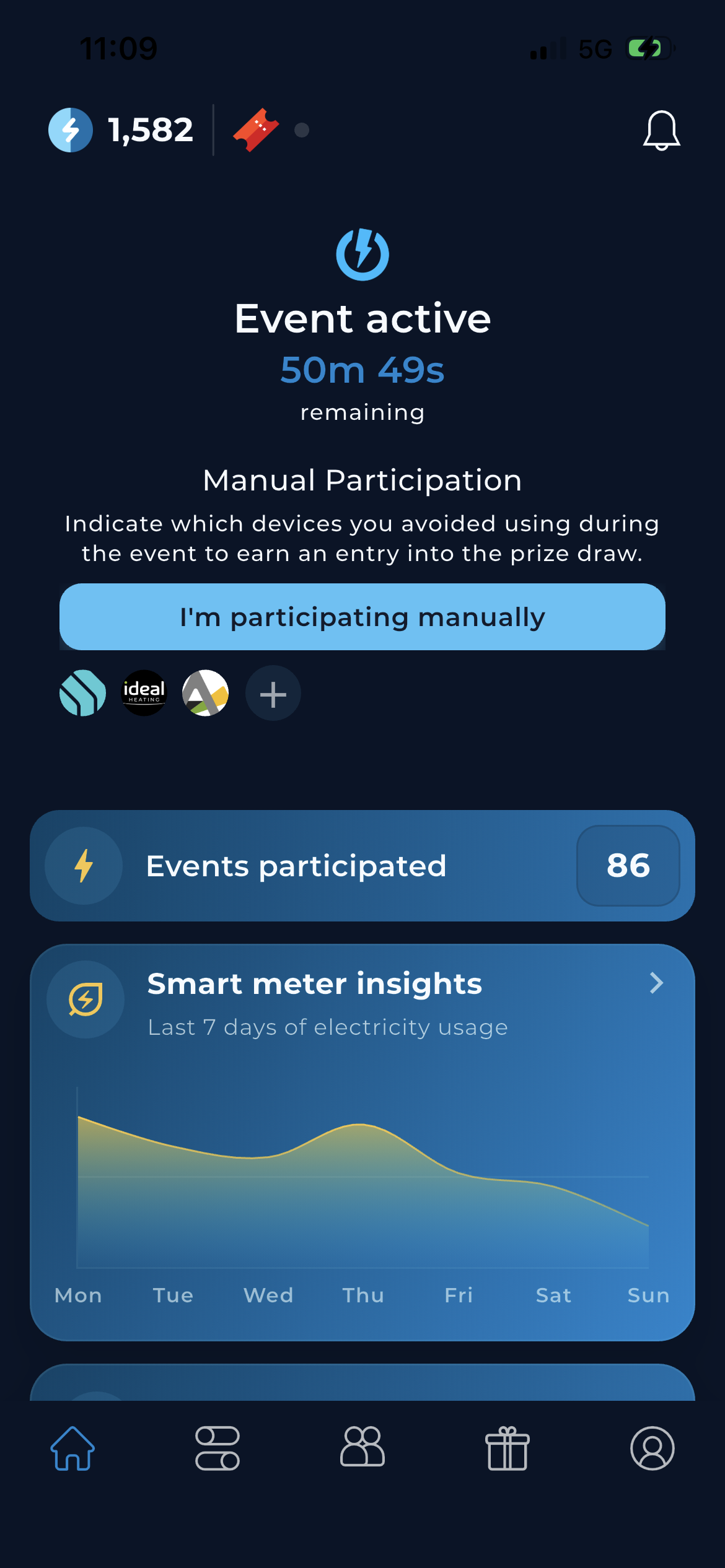
Screenshot of the Equiwatt app.
How did the events work?
Events took place at any time during the day but mostly between 4pm and 7pm. There were roughly 5-10 events each month. Participants got advance notice of some events. The screenshot below illustrates what participants saw during an event.
We aimed to get feedback that would help equiwatt to improve the overall app experience and maximise opportunities for saving energy.
What did we learn?
Participants had some misconceptions about how much energy you had to save and how difficult it would be to save energy. Here are some examples:
1. You must sit in the dark to earn points
Participants generally believed they had to use very little to no energy during an event, but this was not the case. They were surprised to learn:
- Even turning off or unplugging smaller devices (e.g. phone or laptop chargers) could help you earn points.
- You don’t have to be at home to earn points (if you are out, you probably are not using as much energy so are more likely to earn points for doing nothing).
- Sometimes you naturally use less energy without trying as your activities vary day to day – you’ll earn points for this too.
2. It is too much effort to try and save energy
Participants valued being able to save energy without any effort by connecting devices, like smart plugs or heat pumps, to the equiwatt app.
- Some users reported that it was easy to save energy during an event using smart plugs. They usually connected three smart plugs (which some participants got as part of the trial) to a range of electrical devices around their home (e.g. fridges, dehumidifiers, televisions, dishwashers). At the start of the event equiwatt turned these off; they were turned straight back on again at the end of an event.
- A small number of participants connected their heat pumps. Equiwatt turned these down during events to automatically save energy.
3. You must use less energy than normal!
Some users believed that you had to use less energy overall, but this was not the case:
- They could still use as much energy as they needed in total, as long as they used less than usual (on average) in the one-hour window of the event.
- Advance notice helped users use the same amount of energy just at slightly different times. For example, when some users were given advance notice in the morning of an event to take place between 5-6pm, they planned dinner slightly earlier or slightly later (between 4-5pm or 6-7pm). This meant that they did not use their electric oven during the event but were not inconvenienced by having dinner at a slightly different time.
What happened next?
Thanks so much to the Labbers who took part in this trial. equiwatt used the findings to help improve their service. This is one step towards helping reduce peak demand on the grid, helping the UK energy system use renewable energy as much as possible.
We'll be running more trials like this to test ways to shift electricity demand away from peaks. Keep an eye out for more opportunities to take part. If you're already in the Lab, completing your profile information and linking a smart meter increases your chances of being invited.
Share this article
Recent articles
Join the Living Lab today!
It only takes a few minutes. Help us make energy cleaner, simpler, and more affordable for everyone!
Need some help? Contact the Living Lab team