

Multiple energy suppliers: making energy cheaper, or too complicated?
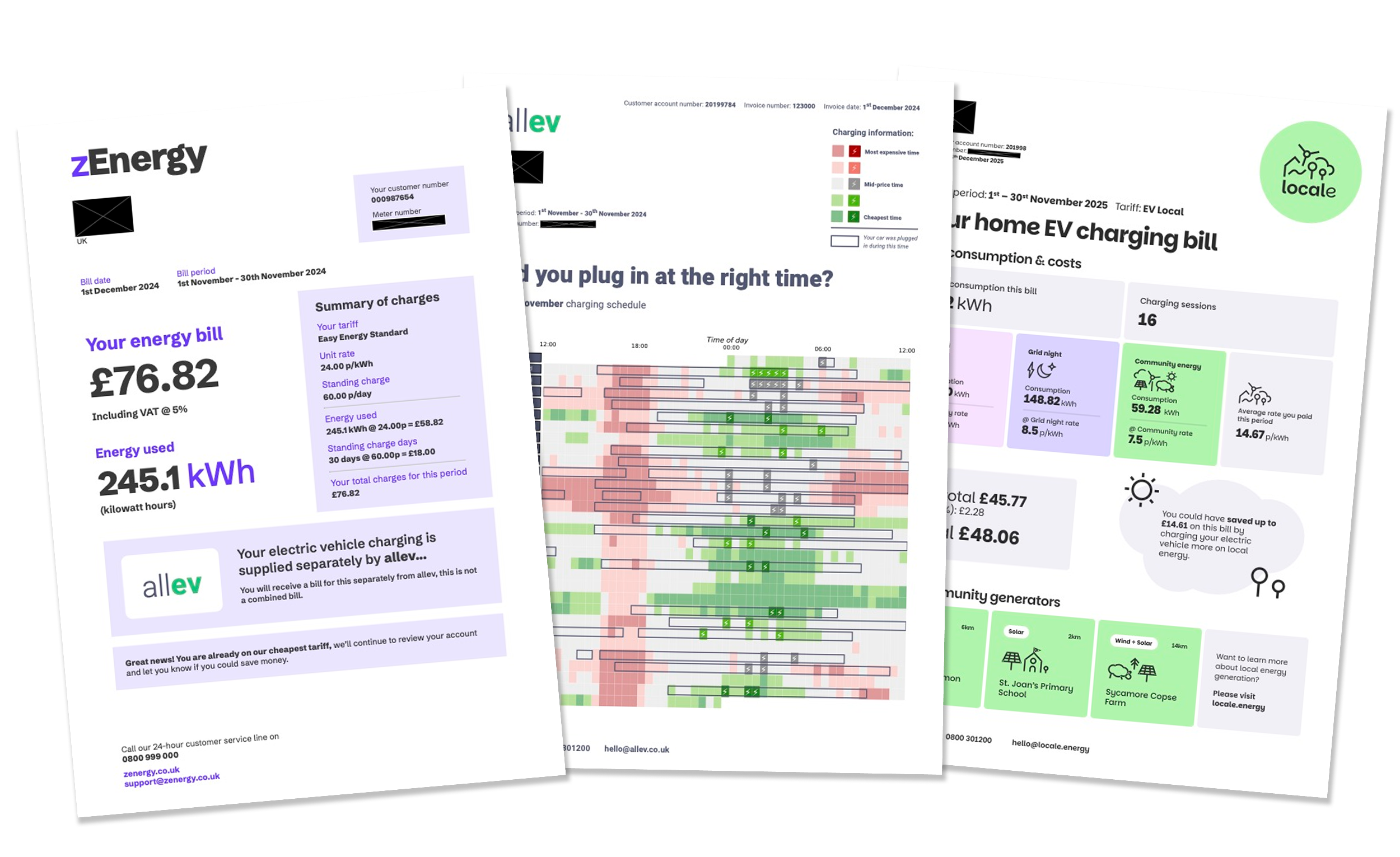
As more people shift to using electricity to charge their cars and power their heating, it becomes more complicated to balance supply and demand in the electricity system.
That means that the way we pay for energy is likely to change. We’ve been running a trial in the Living Lab exploring what those changes might be, and what people think of them. We’re using this to help industry understand what consumers want, and what future solutions might work best for them.
Two different energy suppliers for one home?
Right now, you can only have one energy supplier and one tariff for your home. Some suppliers will offer you a discount on your EV charging or heat pump energy at off peak times, but technically your whole home is still on a single tariff.
But now, some in the energy sector are proposing a change to the regulations so that homes could have more than one energy supplier. For instance, you could get your EV energy from one supplier on one tariff, and the rest of your home energy from a different company, on a different tariff.
Why would anyone want two suppliers?
Current EV tariffs offer cheap electricity mostly at night but are more expensive at peak times. That’s great for EV charging. But other things we do at home are harder to shift, or ‘flex’, when we do them. You can’t cook your kids’ dinner at 4am, so if your tariff is more expensive at peak times, you’re stuck paying a higher price for that.
And as more of us switch to EVs, electricity demand at night will rise. In the future, the cheapest electricity periods may not always be overnight. They might change, day to day.
What if the things you can flex – like EV charging - were separated from everyday consumption? Perhaps you could get super cheap EV charging off peak, with the risk that it might be quite expensive at peak times. But your cooking, washing, and boiling the kettle would stay on a flat rate.
What did we want to learn?
There are lots of questions we’ve sought to answer: would consumers want to deal with more than one supplier? Who might supply your energy – would it just be regular suppliers, your car manufacturer, or your insurance provider? Would it save people money? Would it help the energy system? Or does it just make things too complicated?
Current EV tariffs offer cheap electricity mostly at night but are more expensive at peak times. That’s great for EV charging. But other things we do at home are harder to shift, or ‘flex’, when we do them.
The scenarios we used
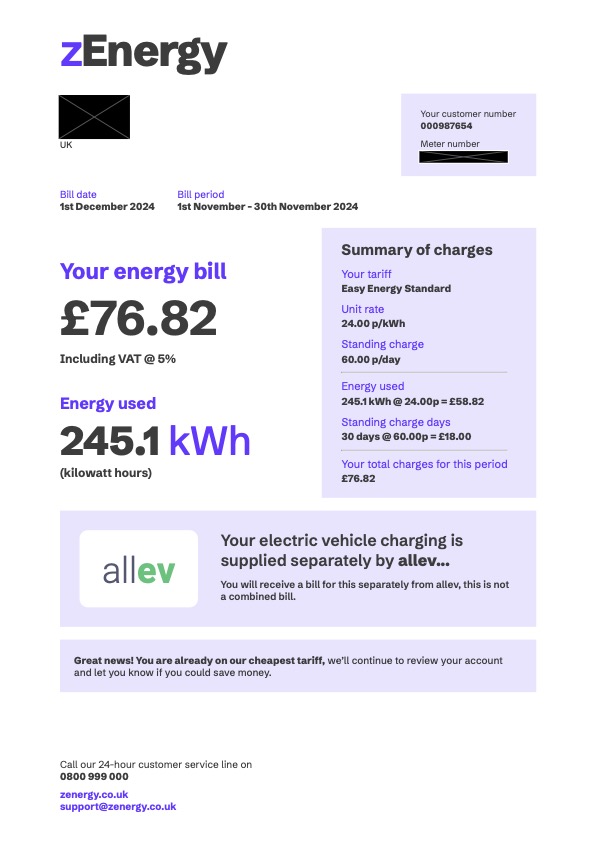
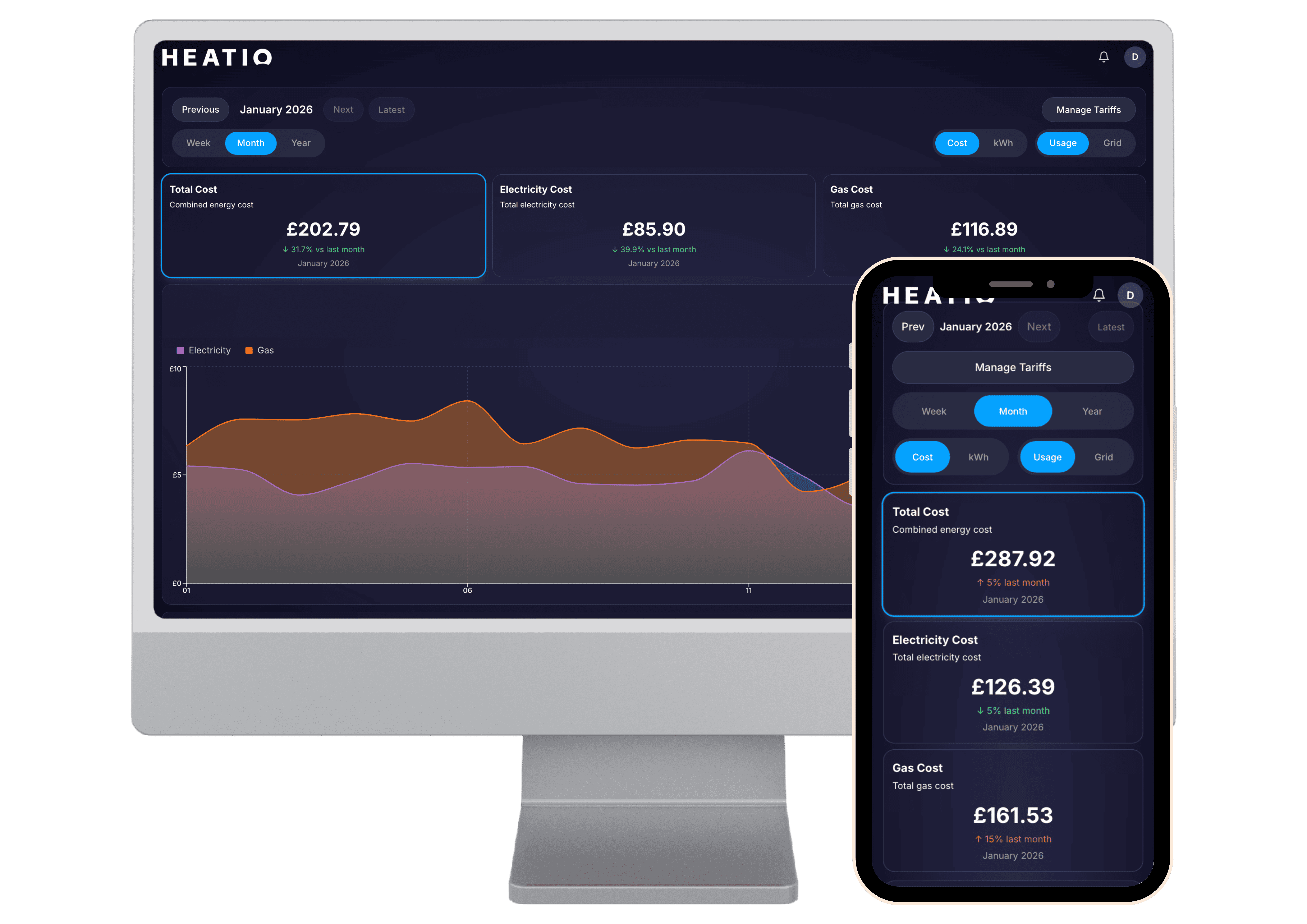
The front page of a bill for the rest of the home (minus EV charging)
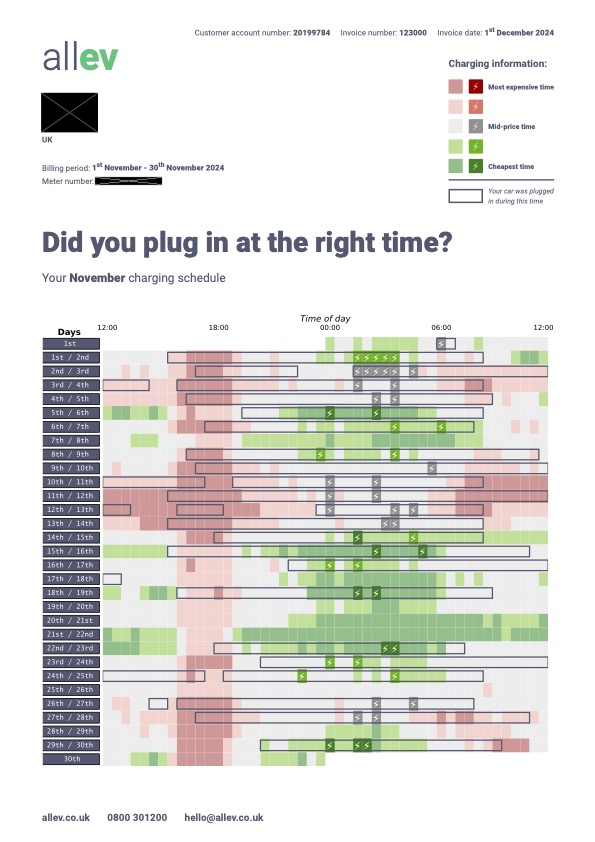
From an EV-only bill: a breakdown of charging times against the cheapest prices that month
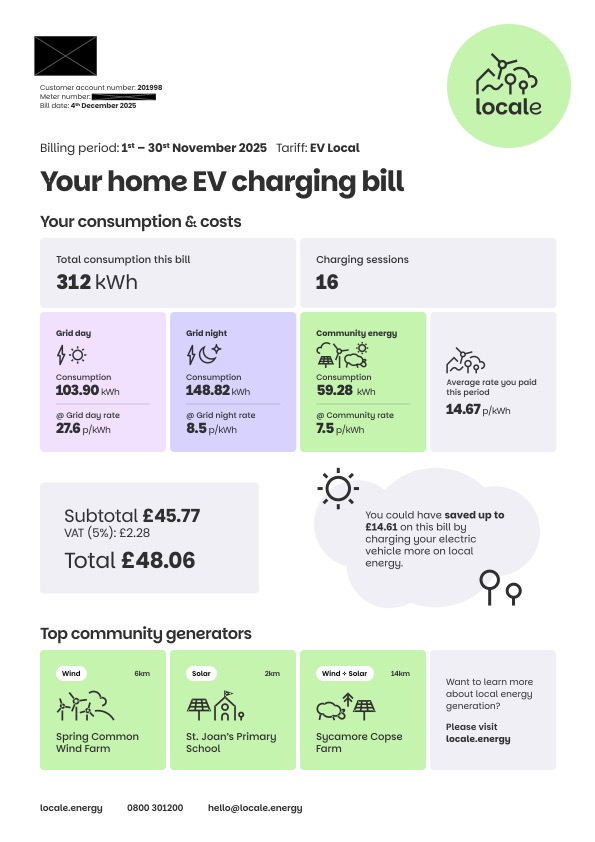
The front page of the community energy scenario, which shows the energy usage breakdown and includes a local renewable energy rate
What we did
We spoke with Labbers, energy suppliers, and energy and technology specialists to understand the impact. We used 18 Labbers’ smart meter and EV charging data to create realistic bills that reflected their actual energy usage under four scenarios:
- A traditional single supplier with a flat tariff (as a control comparison)
- A two-supplier arrangement, where EV energy is priced based on real-time energy demand, and the rest of the home energy is on a flat rate. (The variation between high and low prices on the EV rate was much greater than you’d see now, in the real world)
- A two-supplier arrangement, where the EV supplier bundles EV energy costs with vehicle leasing/finance, insurance, breakdown cover and out-of-home charging (a single bill for all car expenses), and a flat rate tariff for the home.
- A community energy model, offering cheap EV charging when local renewable generation, like solar power from a school, is available.
Our team carried out research with energy suppliers, and energy specialists, exploring how this could be done by industry and whether being a secondary supplier could be viable for businesses. We also analysed whether separate EV tariffs could unlock more ‘flexibility’ by helping balance supply and demand in the energy system.
Who might supply your energy – would it just be regular suppliers, your car manufacturer, or your insurance provider?
What Labbers said
We asked Labbers which scenarios they liked and whether they’d be happy with more variation in their EV charging price, if the rest of their home was on a flat rate. We wanted to see if this is something that consumers could benefit from and would use, as this is most useful to people who can plug in their EV a lot to take advantage of cheap prices, whenever they occur.
- The Labbers we spoke to could accommodate this change and were open to flexible tariffs from a secondary supplier.
- Labbers could plug their EVs in for longer to make the most of the cheap charging prices.
- They were happy to let the system figure out the best time to charge, if they could set how much charge their EV needed at prices they wanted to pay.
- Labbers were open to flexible EV tariffs that guaranteed cheaper prices than their current rate.
Could this provide more flexibility?
The key to unlocking more flexibility is whether consumers can plug in more often, to be ready to take advantage of the cheapest charging when it happens. We asked Labbers whether they could do this, and how much more, and used their answers to work out a rough calculation of how much charging flexibility there could be. We can see that this model would be likely to allow more flexibility, and our research shows that at least some consumers would be willing to plug in more if the incentive was right. But how much charging flexibility is available depends.
Could this provide more flexibility?
The key to unlocking more flexibility is whether consumers can plug in more often, to be ready to take advantage of the cheapest charging when it happens. We asked Labbers whether they could do this, and how much more, and used their answers to work out a rough calculation of how much charging flexibility there could be. We can see that this model would be likely to allow more flexibility, and our research shows that at least some consumers would be willing to plug in more if the incentive was right. But how much charging flexibility is available depends.
The key to unlocking more flexibility is whether consumers can plug in more often, to be ready to take advantage of the cheapest charging when it happens.
Who could deliver this?
As some consumers could shift their charging time, this is something that could be a sensible solution for consumers and for the grid. And it might open energy supply to new types of companies. However, there are currently lots of costs and regulations associated with being a supplier. Unless some of these regulations are relaxed, this could prove difficult for new companies to deliver. But the industry is considering whether to relax some of those regulations, under some circumstances.
If you’d like to read the full, industry-facing report, you can find it here on the Energy Systems Catapult site.
How your data is shaping the future of energy
We’re grateful to those of you who took part in this study! You’re helping the energy industry develop customer-friendly energy solutions for how we use and pay for energy.
Many Labbers share smart meter, EV charging, and other data with us, and this project is a great example of what we do with it. You’re helping us understand how energy demand is changing, and how we can develop solutions that work for consumers in the real world.
We’re very grateful to you for sharing your data with us and your personal privacy is incredibly important to us. As a reminder, being part of the Living Lab means we’ll ask for information about you, the people you live with, and your home. We'll only ever use this information in accordance with all relevant Data Protection legislation, including GDPR. To find more information, read our privacy policy or visit how we use your data.
Share this article
Recent articles
Join the Living Lab today!
It only takes a few minutes. Help us make energy cleaner, simpler, and more affordable for everyone!
Need some help? Contact the Living Lab team